
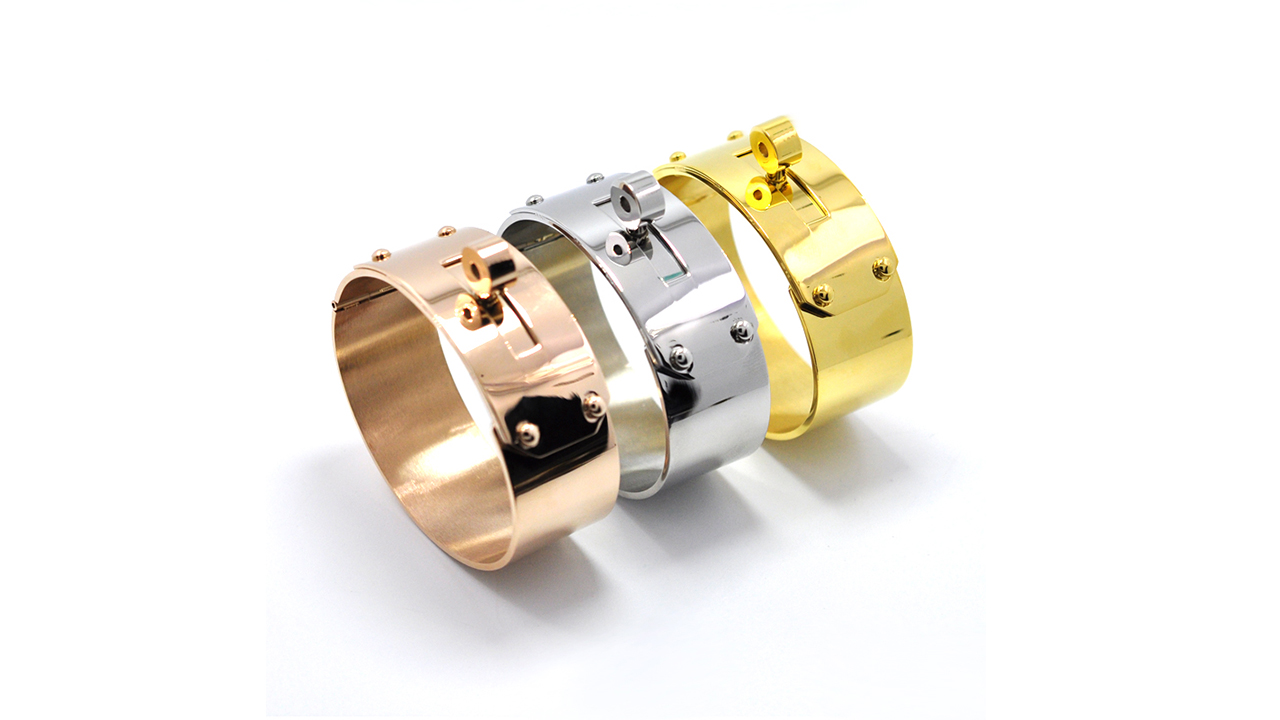
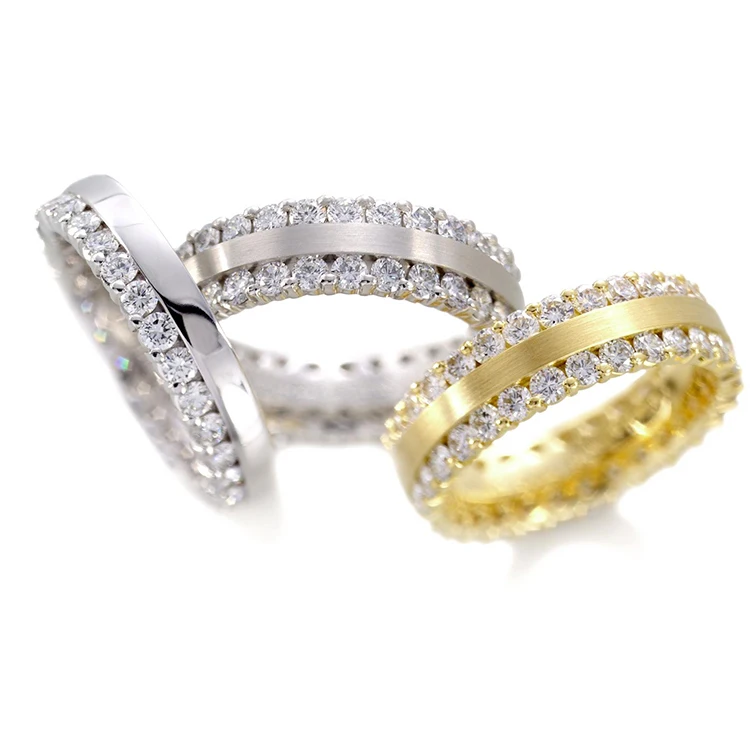
 Decorative PVD is involved in applying colors on small pieces, such as jewellery or watches. Golden, rose golden, black are the most common colors. The coating technology can be arc ion plating or magnetron sputtering. The power produced by arc ion plating is strong. The particles made by AIP is bigger comparing magnetron sputtering, because the power by sputtering is less. In order to obtain the best quality, we can combine these technolgies in the same machine. So the particles made by sputtering can fill the gap of big particle made by arc.
PVD (Physical Vapor Deposition) coating technology is the industry-standard finishing process for high-quality stainless steel, base metal, and plated jewelry, watches, eyewear, and small luxury items. Its advantages are transformative for both product performance and aesthetics. For manufacturers of jewelry, watches, and small accessories, PVD coating equipment provides the definitive solution to create products that are visually stunning, exceptionally durable, and environmentally responsible. It transforms a base material into a high-end, long-lasting luxury item.
1. Superior Durability & Wear Resistance
-
Scratch & Abrasion Resistance: PVD coatings (e.g., TiN, ZrN, DLC) are extremely hard, forming a protective shield that resists daily scratches, scuffs, and wear from friction. This keeps products looking new for far longer than traditional plating or bare stainless steel.
-
Tarnish & Corrosion Resistance: The coating acts as an inert, non-porous barrier. It effectively protects the substrate from sweat, moisture, chlorine, and cosmetics, preventing tarnishing, fading, and corrosion. This is crucial for items like rings and bracelets exposed to skin and environment.
2. Enhanced Aesthetic Appeal & Color Variety
-
Rich, Stable Colors: PVD can produce a wide, consistent palette of attractive and durable colors, including gold (various shades), rose gold, black, gunmetal, blue, and champagne. These colors are embedded in the coating layer, not just painted on.
-
Consistent & Uniform Finish: The vacuum deposition process ensures an exceptionally uniform coating thickness and color, even on complex geometries, sharp edges, and intricate details of small products.
-
Premium Quality Feel: The coating provides a deep, rich luster and a smooth, high-quality tactile feel that enhances perceived value.
3. Excellent Adhesion & Longevity
-
Strong Metallurgical Bond: Unlike simple electroplating, PVD involves high-energy ions that create a strong atomic-level bond with the substrate. This makes the coating much less likely to chip, peel, or flake off during use or impact.
-
Long-Lasting Finish: The combination of hardness, adhesion, and corrosion resistance results in a finish that lasts for years, significantly outperforming conventional electroplated finishes which can wear through quickly.
4. Material Versatility & Environmental Benefits
-
Substrate Flexibility: PVD can be applied to various materials common in small products: stainless steel, brass, copper, titanium, and even plastic (with proper pretreatment). It is also an excellent top coat for electroplated layers, sealing and protecting the softer plating underneath.
-
Eco-Friendly & Biocompatible: The PVD process is a dry, vacuum-based technology. It does not use harmful cyanides or produce toxic chemical waste associated with traditional electroplating. The coatings themselves are hypoallergenic and biocompatible, making them ideal for direct skin contact.
5. Functional & Economic Advantages
-
Low Maintenance: Products require less frequent polishing and care due to their inherent resistance to wear and tarnish.
-
Improved Product Value: The extended lifespan and retained appearance reduce returns and increase customer satisfaction, strengthening brand reputation for quality.
-
Design Freedom: Allows designers to use durable, lightweight materials like stainless steel or titanium while achieving the luxurious look of precious metals.